
Palm Angels Fashion: Why the Brand Differentiate Itself
In an market filled with streetwear labels vying for attention, Palm Angels has succeeded to build a space that seems truly its own. Launched in 2015 by Italian art director and photographer Francesco Ragazzi, the brand came to life not from a traditional fashion education but from a photographic documentary project documenting Los Angeles skating scene. That backstory — rooted in visual research rather than market strategy — keeps flowing through every element of the brand’s aesthetic nearly a decade later. By 2026, Palm Angels generates approximate yearly revenue exceeding $200 million under its parent company New Guards Group, which is under the Farfetch company. The house runs standalone shops in Milan, New York, Tokyo, and London, and its products are available in over 400 stores globally. But pure figures fail to capture why Palm Angels speaks so strongly. This examination traces the specific characteristics that separate Palm Angels from its peers and preserve its appeal in a space that burns through fads with frightening pace.
The Founding Story: Visual Art as Brand DNA
Grasping Palm Angels starts with understanding its designer’s vision, which separated completely from the conventional route into high-end fashion. Francesco Ragazzi invested years shooting skaters in the Venice Beach and Hollywood areas of Los Angeles, documenting the unfiltered athleticism, independent mindset, and instinctive style of a movement operating fully beyond the mainstream fashion. These images became a book — also named “Palm Angels” — published by Rizzoli in 2014, which attracted the eye of the fashion community and connected directly to the fashion label the next year. This origin is significant because the house’s look wasn’t engineered backward from consumer surveys or trend analysis — it was witnessed from reality and translated into garments. Ragazzi’s eye for framing emerges in everything from graphic elements to fashion presentations, which can seem like artistic exhibitions more than conventional fashion shows. The visual-first philosophy justifies why collection campaigns seem more like magazine projects than promotional materials. This visual core has shown itself to be exceptionally lasting, acting as a steady reference point even as the brand grows into new markets and markets.
Creative Direction: The Collision palmangelsbrand.org of Cultures
Skateboarding Fuses With Italian Luxury
The core energy that leaves Palm Angels visually compelling is the purposeful collision of two seemingly incompatible cultures: the raw informality of US skate culture and the meticulous refinement of Italian fashion manufacturing. Every collection walks the line between these contrasting forces. Large-cut pieces inspired by the skate world — where oversized clothes serve a purposeful purpose — are made in fabrics that wouldn’t be out of place in a Milanese workshop. Images recall graffiti, and counterculture symbols, but they’re placed using luxury printing techniques on premium substrates. Construction elements like zip pullers and cord tips are produced to a standard typical of labels with ten times Palm Angels’ heritage. This isn’t pastiche; it’s authentic blending where each element elevates the other. The street influence stops the Italian manufacturing from feeling stiff, while the Italian quality keeps streetwear elements from appearing cheap. Not many brands walk this balance well — most lean too far in one way.
The Role of Visual Identity and Symbolism
Palm Angels has created a graphic identity that’s immediately recognizable, and this visual consistency is a central reason in the label’s relevance. The curved wordmark logo uses a lettering calling to mind classic West Coast signs while being clearly contemporary. The teddy bear icon has become a symbol surpassing the brand alone, surfacing in memes, unofficial artwork, and street culture discussions everywhere. Palm tree graphics appears in every drop, linking each drop to the Los Angeles genesis point. Flame motifs, wing graphics, and spray-paint aesthetics round out a design collection deployed with impressive range — the same bear can show up as subtle stitching on a polo shirt or a large-scale graphic dominating an whole hoodie. This design system operates like designer monograms: providing quick brand awareness while enabling endless visual experimentation within a familiar system.
Construction Standards and Quality Metrics
Where many urban labels move production to reduce overhead, Palm Angels has invested in Italy-based production as a central principle. The large portion of the line is made in Italian traditional fabric districts, where generations of craftsmanship deliver quality standards that volume manufacturing factories overseas can’t replicate. Cotton is obtained from premium producers in Turkey and Egypt. Specialty textiles are sourced from Italian textile manufacturers dedicated to functional materials. Denim uses premium goods from Italian and Japanese weavers, with custom treatments developed in-house. Production oversight covers stitch counts, seam placement, print adhesion, and zipper and hardware quality. This commitment has real consequences: Palm Angels items last under frequent wear and regular cleaning in ways that fast-fashion imitations simply fail to. The higher price point — $250 for a standard tee, $350+ for track pants, $500+ for outerwear — accounts for these production realities, and the flourishing resale market shows consumers understand the quality differential.
Cultural Footprint and High-Profile Support
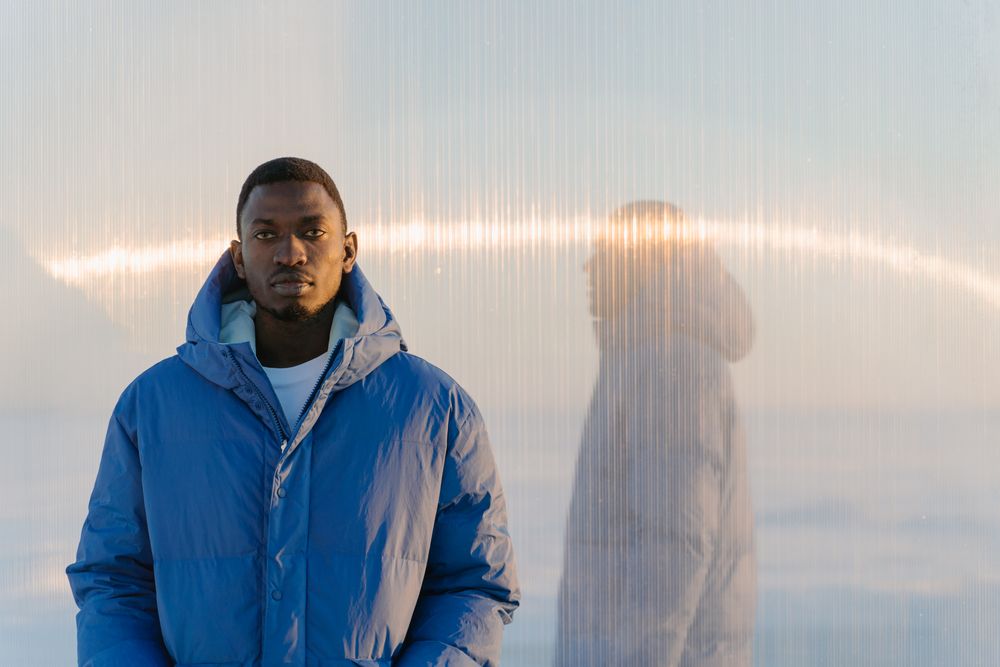
Palm Angels’ cultural footprint goes far past clothing, increasing visibility in ways conventional advertising cannot replicate. Musicians such as Travis Scott, A$AP Rocky, The Weeknd, and Bad Bunny have been photographed in Palm Angels in contexts from stages to airport terminals. Athletes across the NBA, Premier League, and Formula 1 consistently add Palm Angels into their personal wardrobes. Content creators with combined followings surpassing 500 million feature the brand in fashion content, directing clicks to stores. These mentions are mostly natural — while Palm Angels does strategic gifting, the most of star appearances are genuine style decisions, lending credibility that paid campaigns cannot achieve. By 2026, Palm Angels has built cultural recognition where the brand name commands social currency among style-conscious buyers.
How Palm Angels Fares Versus Top Competitors
Standing within the market space highlights Palm Angels’ precise place. The table below places the brand next to its closest peers across criteria relevant to 2026 consumer choices.
| Factor | Palm Angels | Off-White | Amiri | Rhude |
|---|---|---|---|---|
| Price Tier | Mid-Luxury ($250–$900) | Mid-Luxury ($300–$1,200) | High-Luxury ($350–$2,000) | Mid-Luxury ($250–$800) |
| Core Aesthetic | Skate + Italian craft | Art-meets-street | Rock-and-roll luxury | Vintage Americana |
| Manufacturing | Italy | Italy/Portugal | Italy/USA | USA/Portugal |
| Key Category | Track suits, graphic tees | Sneakers, hoodies | Denim, leather | Shorts, graphic tees |
Palm Angels’ competitive advantage rests on its particular cultural foundation (LA skate culture), reliable Italian production, and mid-luxury price positioning. Compared to Off-White, which has faced brand identity challenges since Virgil Abloh’s passing, Palm Angels offers more reliable brand direction. Versus Amiri, it offers a more reachable pricing without proportional quality compromises.
Environmental Responsibility and Forward Direction
As consumer awareness of clothing’s environmental cost deepens, Palm Angels has taken careful moves toward sustainable production. The label’s 2025 environmental report described clear commitments: certified organic cotton in 60% of cotton items by 2026, removal of non-recycled plastic from all packing materials by Q3 2026, and a capsule collection using reclaimed polyester from ocean waste. Italian manufacturing naturally has a lower environmental impact than manufacturing involving intercontinental shipping. The brand has additionally partnered with The RealReal to enable verified resale. Ahead, growth under New Guards Group points to new categories (glasses, home goods, perfume), deeper presence into East Asian territories, and potentially dedicated women’s lines. The foundations that render Palm Angels appealing — real creative foundation, premium construction, recognizable aesthetic — are enduring strengths that set up the brand strongly regardless of where particular trends go.


Leave a comments